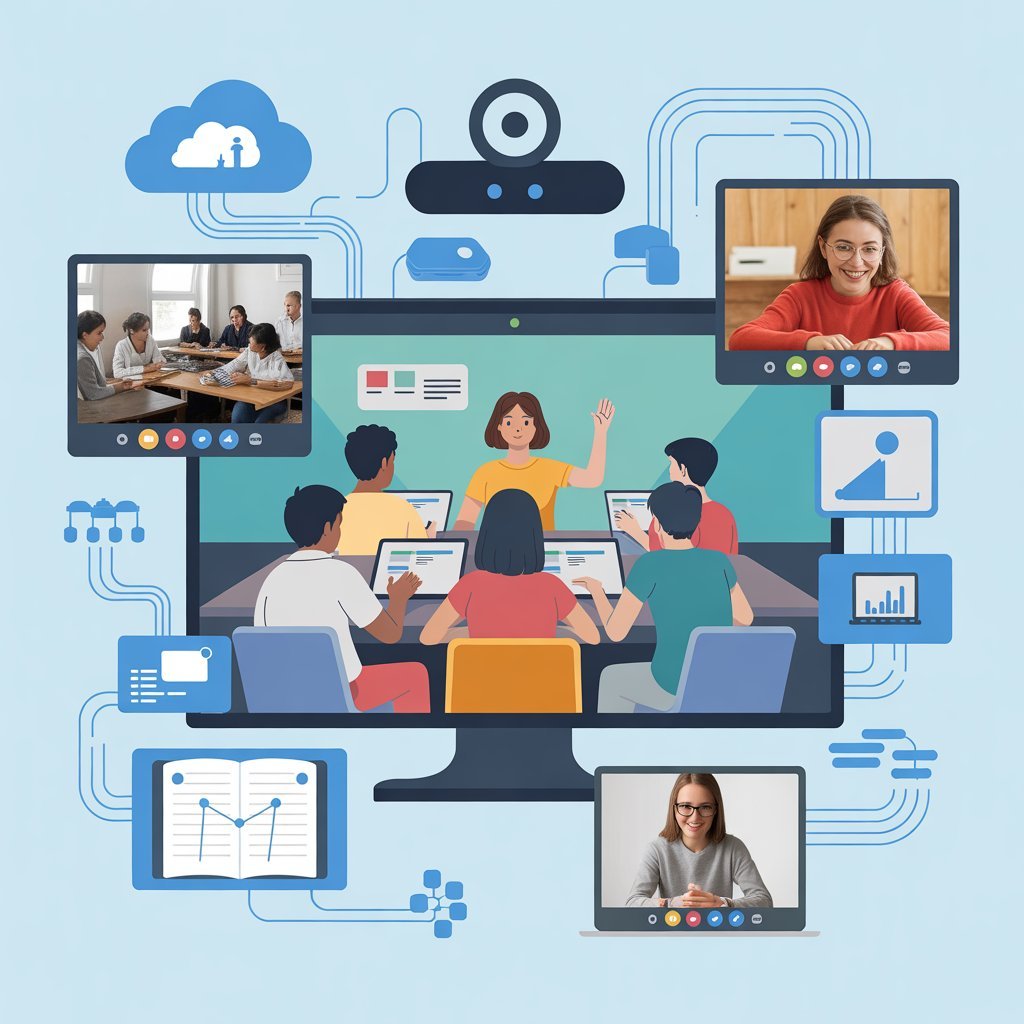
Remote learning has become an essential part of modern education. With the help of technology, students can now learn from anywhere in the world without being physically present in a classroom. What once seemed impossible is now a daily reality for millions of learners.
In this article, we’ll explore the role of technology in remote learning, how it benefits students and teachers, and why it is shaping the future of education.
What Is Remote Learning?
Remote learning is a form of education where students and teachers interact online instead of in a physical classroom. Lessons, assignments, discussions, and assessments are conducted using digital tools and internet-based platforms.
Technology is the foundation that makes remote learning possible.
How Technology Enables Remote Learning
Without technology, remote learning would not exist. Digital tools connect students, teachers, and educational resources across distances.
Core Technologies Used
- Internet connectivity
- Computers, tablets, and smartphones
- Online learning platforms
- Video conferencing tools
These technologies work together to create virtual classrooms.
1. Online Learning Platforms
Learning Management Systems (LMS) organize and deliver education digitally.
Examples of LMS Features
- Course materials and lessons
- Assignment submission
- Quizzes and assessments
- Progress tracking
These platforms keep learning structured and accessible.
2. Video Conferencing and Live Classes
Video tools allow real-time interaction between teachers and students.
Benefits of Live Online Classes
- Face-to-face communication
- Immediate feedback
- Interactive discussions
- Better engagement
This helps recreate the classroom experience virtually.
3. Access to Digital Learning Resources
Technology gives students access to unlimited educational content.
Examples
- E-books and online libraries
- Educational videos
- Recorded lectures
- Interactive simulations
Students can revisit lessons anytime, improving understanding.
4. Personalized Learning Through Technology
Every student learns differently. Technology supports customized learning paths.
How Personalization Works
- Adaptive learning software
- AI-based recommendations
- Self-paced lessons
This allows students to learn at their own speed and level.
5. Improved Communication and Collaboration
Technology enhances communication beyond traditional classrooms.
Communication Tools
- Email and chat systems
- Discussion forums
- Collaborative documents
Students can work together on projects regardless of location.
6. Assessment and Feedback Tools
Digital tools simplify evaluation.
Benefits of Online Assessments
- Automated quizzes
- Instant feedback
- Performance tracking
Teachers can identify learning gaps and provide targeted support.
7. Flexibility and Convenience
One of the biggest advantages of remote learning is flexibility.
Why Flexibility Matters
- Learn from anywhere
- Balance work and education
- Save travel time and costs
Technology allows learning to fit into different lifestyles.
8. Inclusion and Accessibility
Remote learning technology promotes inclusive education.
Accessibility Features
- Closed captions and transcripts
- Screen readers
- Recorded lessons
These features support students with disabilities and those in remote areas.
9. Challenges of Technology in Remote Learning
While technology offers many benefits, challenges exist.
Common Challenges
- Limited internet access
- Lack of digital skills
- Screen fatigue
- Reduced social interaction
Addressing these challenges is key to successful remote learning.
10. The Future of Remote Learning
Technology will continue to shape education.
Future Trends
- AI-powered tutors
- Virtual reality classrooms
- More hybrid learning models
- Global classrooms
Remote learning will become more interactive, engaging, and effective.
FAQs – Technology in Remote Learning
Q1: Is remote learning as effective as classroom learning?
Yes, when supported by the right technology and structure.
Q2: What devices are needed for remote learning?
A smartphone, tablet, or computer with internet access is usually enough.
Q3: Can remote learning work for young students?
Yes, with parental support and interactive tools.
Q4: Does remote learning reduce education costs?
Yes, it saves travel, housing, and material expenses.
Q5: Will remote learning replace traditional classrooms?
No. It will complement traditional education through hybrid models.
Conclusion
Technology plays a vital role in making remote learning effective, flexible, and accessible. It connects learners with knowledge, teachers, and opportunities across the globe. While challenges exist, the benefits of technology-driven remote learning continue to grow.
In the modern education system, technology is not just a support tool—it is the backbone of remote learning.