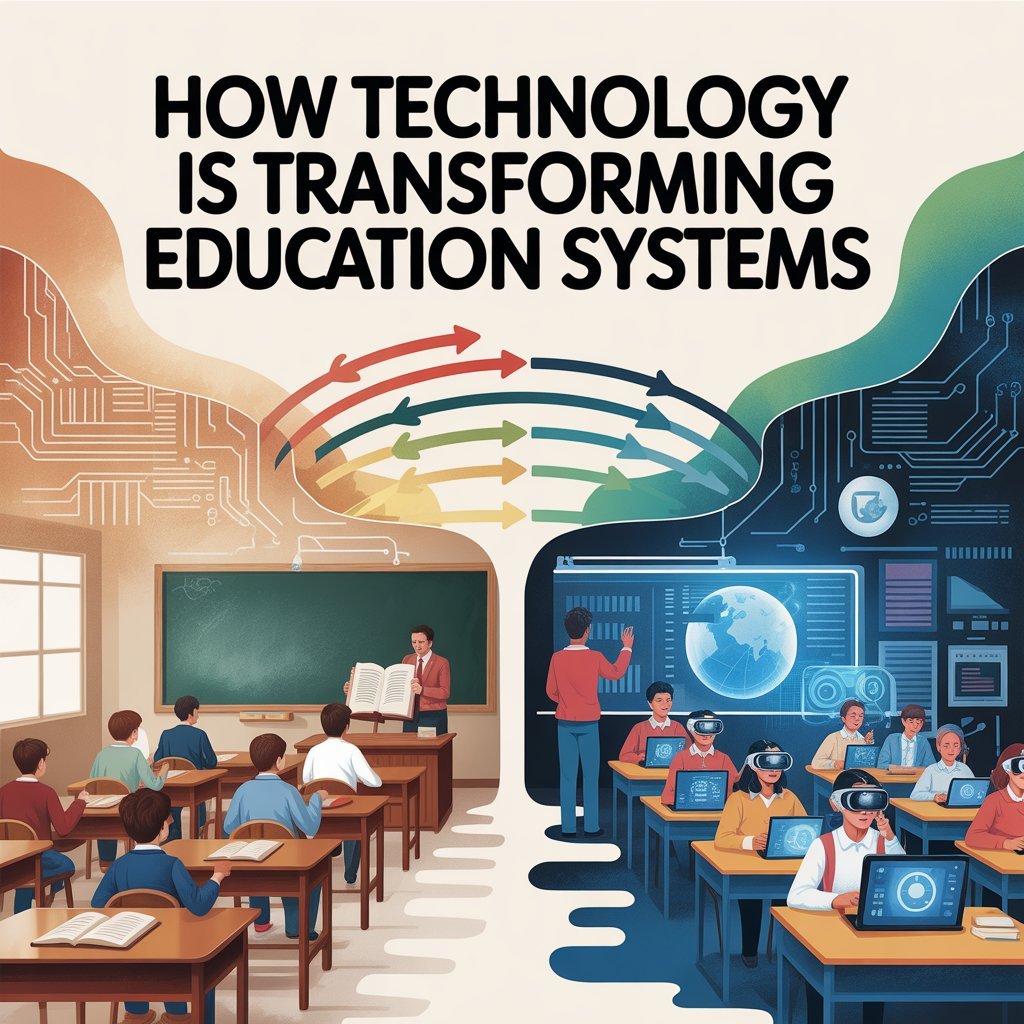
Technology has changed almost every part of our lives, and education is no exception. Traditional classrooms that relied only on textbooks and chalkboards are evolving into digital learning environments powered by technology. From online classes to artificial intelligence, technology is reshaping how students learn and how teachers teach.
In this article, we’ll explore how technology is transforming education systems, its benefits, challenges, and what the future of learning looks like.
The Evolution of Education Through Technology
Education has moved far beyond physical classrooms. Technology now allows learning to happen anytime, anywhere. Students can access lessons, resources, and teachers from across the world using digital tools.
This shift has made education more flexible, inclusive, and accessible than ever before.
1. Online Learning and Virtual Classrooms
One of the biggest changes in education is the rise of online learning.
Key Features of Online Education
- Live virtual classes
- Recorded lectures
- Digital assignments and exams
- Online discussion forums
Online learning allows students to learn at their own pace and removes geographical barriers.
2. Access to Global Educational Resources
Technology gives students instant access to knowledge.
Examples of Digital Resources
- E-books and digital libraries
- Educational videos and tutorials
- Online research databases
- Free learning platforms
This access helps students develop self-learning habits and deeper understanding.
3. Personalized Learning Experiences
Every student learns differently. Technology helps customize education to individual needs.
How Personalization Works
- Learning apps adapt to student performance
- AI tools recommend lessons based on progress
- Students can revisit difficult topics anytime
Personalized learning improves engagement and learning outcomes.
4. Role of Artificial Intelligence in Education
Artificial Intelligence (AI) is playing a growing role in modern education.
AI in Education Includes
- Smart tutoring systems
- Automated grading and feedback
- Learning analytics
- AI-powered study assistants
AI supports teachers by reducing workload and helps students learn more effectively.
5. Improved Communication Between Teachers and Students
Technology has improved communication in education systems.
Digital Communication Tools
- Learning management systems (LMS)
- Email and messaging apps
- Video conferencing platforms
Students can ask questions, submit assignments, and receive feedback quickly.
6. Remote and Hybrid Learning Models
Modern education systems now use hybrid learning, combining online and in-person education.
Benefits of Hybrid Learning
- Flexibility for students
- Better time management
- Reduced travel costs
- Continuity during emergencies
Hybrid models are becoming a permanent part of education.
7. Skill-Based and Practical Learning
Technology focuses education on real-world skills rather than memorization.
Skills Enhanced by Technology
- Digital literacy
- Problem-solving
- Collaboration
- Critical thinking
Students learn skills that are directly relevant to modern careers.
8. Inclusion and Accessibility in Education
Technology makes education more inclusive.
Accessibility Features
- Screen readers for visually impaired students
- Subtitles and audio lessons
- Flexible learning schedules
These tools help students with disabilities and those from remote areas access education.
9. Data-Driven Education Systems
Educational institutions now use data to improve learning.
How Data Helps
- Tracking student progress
- Identifying learning gaps
- Improving teaching methods
Data-driven decisions improve both teaching quality and student performance.
10. Challenges of Technology in Education
While technology offers many benefits, it also has challenges.
Common Challenges
- Digital divide (lack of access to devices or internet)
- Screen time concerns
- Data privacy issues
- Need for teacher training
Addressing these challenges is essential for effective implementation.
Future of Education with Technology
The future of education will be:
- More digital and flexible
- AI-assisted and personalized
- Focused on lifelong learning
- Globally connected
Technology will not replace teachers but will enhance their role.
FAQs – Technology and Education
Q1: Can technology replace teachers?
No. Technology supports teachers but cannot replace human guidance and mentorship.
Q2: Is online education effective?
Yes, when combined with proper structure and interaction, online education can be highly effective.
Q3: How does technology help students learn better?
It offers personalized learning, instant feedback, and access to vast resources.
Q4: Are there risks in digital education?
Yes, including screen time and privacy concerns, but these can be managed with proper policies.
Q5: Will traditional classrooms disappear?
No. Classrooms will evolve, not disappear, with blended learning models.
Conclusion
Technology is transforming education systems by making learning more accessible, personalized, and skill-focused. While challenges exist, the benefits of digital education far outweigh the drawbacks.
In the modern world, technology and education go hand in hand, shaping smarter learners and a more connected future.